
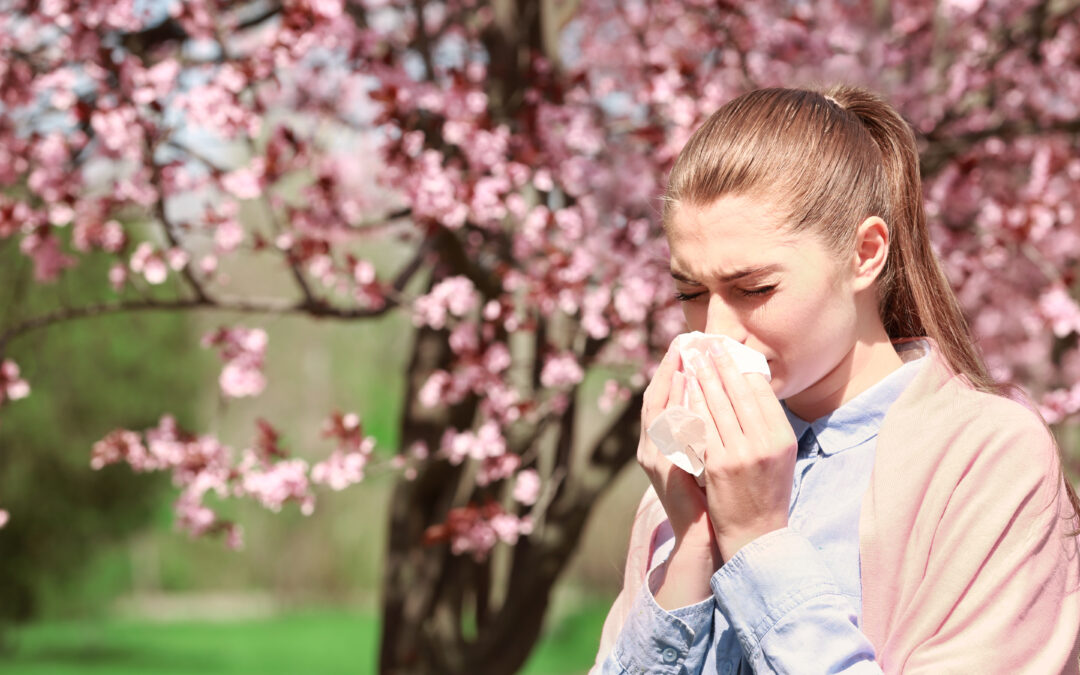
Spring brings longer days, warmer sunshine, and plenty of reasons to get outside. It’s the season for planting flowers you’ve recently purchased from Ooltewah Nursery, opening the windows to let your house breathe, shopping around the plaza at Cambridge Square, or simply enjoying a quiet afternoon in the backyard.
But along with blooming trees and fresh-cut grass comes something many people know all too well, spring pollen. As pollen counts rise, symptoms like sneezing, congestion, and sinus pressure can quickly follow.
The tricky part? Seasonal allergies and sinus infections often feel very similar. Both can cause congestion, headaches, and fatigue, making it difficult to know what’s really going on.
Understanding the differences between the two can help you decide when at-home care may be enough and when it might be time to visit urgent care for evaluation and relief.
Contact AFC Urgent Care Ooltewah today!
What Are Spring Allergies?
Spring allergies occur when your immune system reacts to substances in the environment that are normally harmless. These triggers, known as allergens, cause the body to release histamines, which lead to inflammation and common allergy symptoms.
Some of the most common allergy triggers include:
- Tree pollen
- Grass pollen
- Weed pollen
- Mold spores
- Dust mites
- Pet dander
During the spring months, pollen from blooming trees and plants is the biggest culprit. For people with spring allergies, symptoms may last for weeks or even months depending on pollen levels.
Common Spring Allergy Symptoms
Allergies usually affect the nose, eyes, and throat and may include:
- Sneezing
- Runny or stuffy nose (often with clear drainage)
- Itchy, watery eyes
- Scratchy throat
- Skin irritation or hives
- Mild coughing or wheezing
- Fatigue
A few signs often point specifically to allergies:
- No fever
- Itching in the eyes, nose, throat, or skin
- Symptoms that improve with antihistamines
- Symptoms that worsen when pollen counts are high
Many people notice their allergies flare up after spending time outside: whether it’s gardening, mowing the lawn, or enjoying a sunny afternoon walk.
What Is a Sinus Infection?
A sinus infection, also called sinusitis, occurs when the sinus cavities become inflamed and filled with fluid. Your sinuses are air-filled spaces located behind your forehead, nose, and cheeks. When these areas become blocked, bacteria or viruses can grow and lead to infection.
Sinus infections commonly develop after:
- A cold or respiratory illness
- Severe nasal congestion
- Untreated seasonal allergies
- Inflammation that prevents proper sinus drainage
When mucus becomes trapped in the sinuses, pressure builds and leads to many of the uncomfortable symptoms people associate with sinus infections.
Types of Sinus Infections
There are two primary forms of sinusitis:
Acute sinusitis
This type typically lasts less than four weeks and often develops after a cold.
Chronic sinusitis
Chronic sinus infections last 12 weeks or longer and may occur multiple times throughout the year. Because chronic sinusitis can affect sleep, energy levels, and daily comfort, medical care may be necessary to manage it.
Symptoms of a Sinus Infection
Although sinus infections share some symptoms with allergies, they often involve more intense pressure and inflammation.
Common symptoms include:
- Facial pressure or pain
- Headaches
- Thick yellow or green nasal discharge
- Postnasal drip
- Fatigue
- Tooth or jaw pain
- Sore throat
- Ear pressure or fullness
- Reduced sense of smell or taste
- Fever in some cases
Unlike seasonal allergies, sinus infections often involve noticeable facial tenderness and thicker mucus.
If you are unsure about which respiratory issue you’re struggling with, walk-in or book an appointment today with AFC Urgent Care.
How to Prevent Spring Allergy Symptoms and Sinus Infections
While spring allergies can’t always be avoided completely, a few simple habits can help reduce symptoms and lower the risk of sinus infections.
Check Daily Pollen Counts
Many weather apps and websites report pollen levels. On high-pollen days, limiting long outdoor activities, especially in the early morning or at dusk, can help reduce exposure.
Shower After Spending Time Outside
Pollen can stick to your hair, skin, and clothing. Taking a quick shower and changing clothes after yard work, hiking, or gardening can help keep allergens from spreading throughout your home.
Keep Windows Closed on High-Pollen Days
Fresh air is tempting during spring, but open windows can allow pollen to enter your home and trigger allergy symptoms.
Stay Hydrated
Drinking plenty of fluids helps thin mucus and supports healthy sinus drainage.
Use Allergy Medications Early
If you experience seasonal allergies every year, starting antihistamines or nasal sprays early in the season may help prevent symptoms from becoming severe.
Taking a few preventative steps can help you enjoy spring activities, whether that’s planting flowers, attending outdoor events, or relaxing on the patio, without constant congestion.
When to Visit Urgent Care
While mild symptoms can sometimes be treated at home, certain symptoms should be evaluated by an AFC Urgent Care provider.
You may want to visit AFC urgent care if you experience:
- Severe sinus pressure or facial pain
- Persistent fever
- Symptoms lasting longer than 10 days
- Trouble breathing or wheezing
- Frequent sinus infections
- Eye irritation that may be developing into an infection
- Congestion that makes it difficult to sleep
AFC Urgent Care providers can help determine whether your symptoms are caused by seasonal allergies, sinusitis, or another respiratory condition.
How Urgent Care Can Help
When you visit AFC Urgent Care Ooltewah, a provider will review your symptoms, how long they’ve lasted, and whether they began after a recent illness or allergy flare.
Treatment may include:
Allergy Treatment
- Prescription-strength antihistamines
- Nasal corticosteroid sprays
- Treatment for skin reactions or hives
- Guidance for managing seasonal allergies
Sinus Infection Treatment
- Antibiotics (if a bacterial infection is present)
- Decongestants or medicated nasal sprays
- Anti-inflammatory medications
- Recommendations for humidifiers or steam therapy
- Supportive care to relieve sinus pressure
Because allergies and sinus infections can sometimes occur at the same time, getting the right diagnosis helps ensure you receive the most effective treatment.
Don’t Miss the Best Parts of Spring
Spring is meant to be enjoyed, from sunny afternoons at the park to planting new flowers in the yard. But constant sneezing, congestion, or sinus pressure can make it hard to feel your best.
If you’re unsure whether your symptoms are caused by seasonal allergies or a sinus infection, AFC Urgent Care can help you get answers and relief quickly.
With convenient walk-in care available, you can get back to enjoying the fresh air, warm sunshine, and everything else that makes spring such a great time of year.